In Taloyoak, food has always been more than sustenance – it is how people care for one another, how knowledge is shared, and how culture is passed on. Yet for many families, accessing healthy food has become increasingly difficult. Store-bought food is costly and flown in from the south, while traditional country foods have been harder to process and share widely. For Elders, low-income families, and single parents, these challenges affect daily life.
At the same time, fewer opportunities have existed for hunters to earn income from their skills, or for youth to safely learn harvesting and food preparation alongside experienced community members. The gap was not in the land, but in the systems meant to support the community.
A Community Vision: Building on Generations of Knowledge
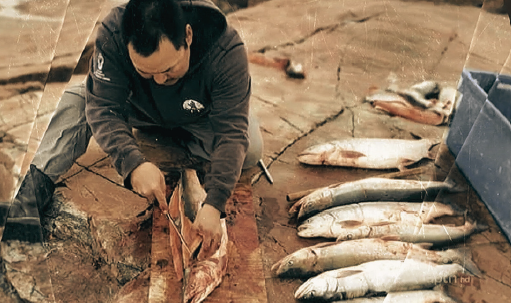
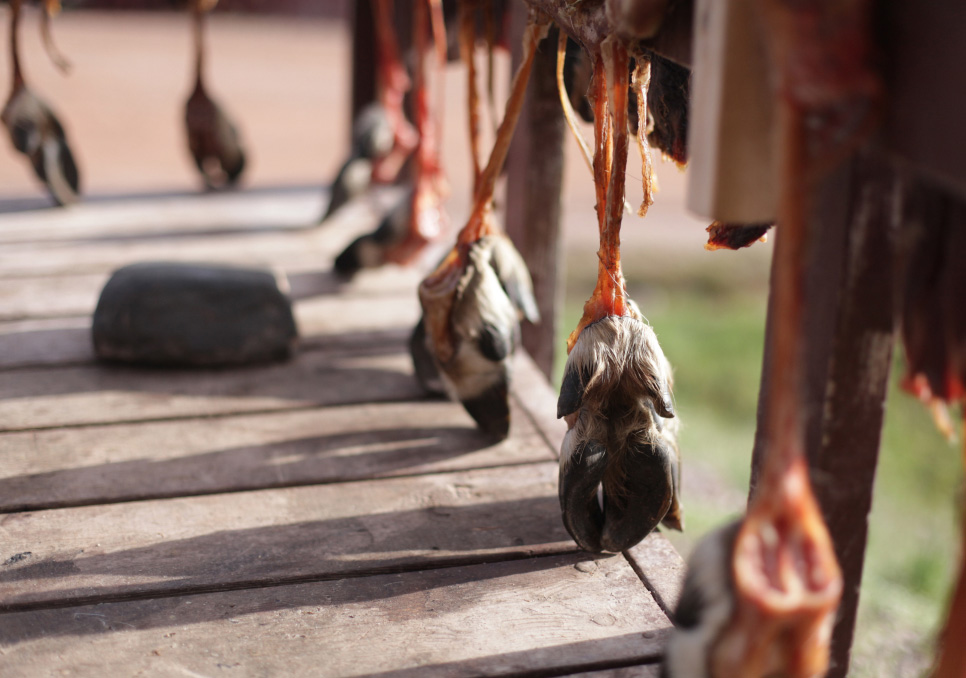
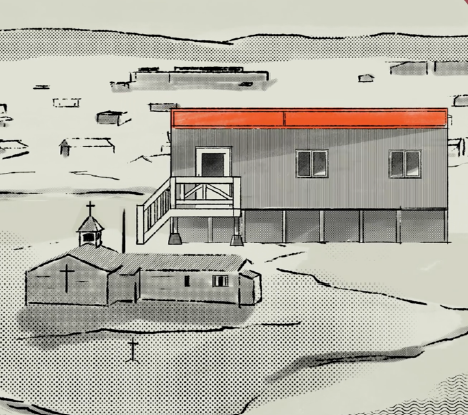
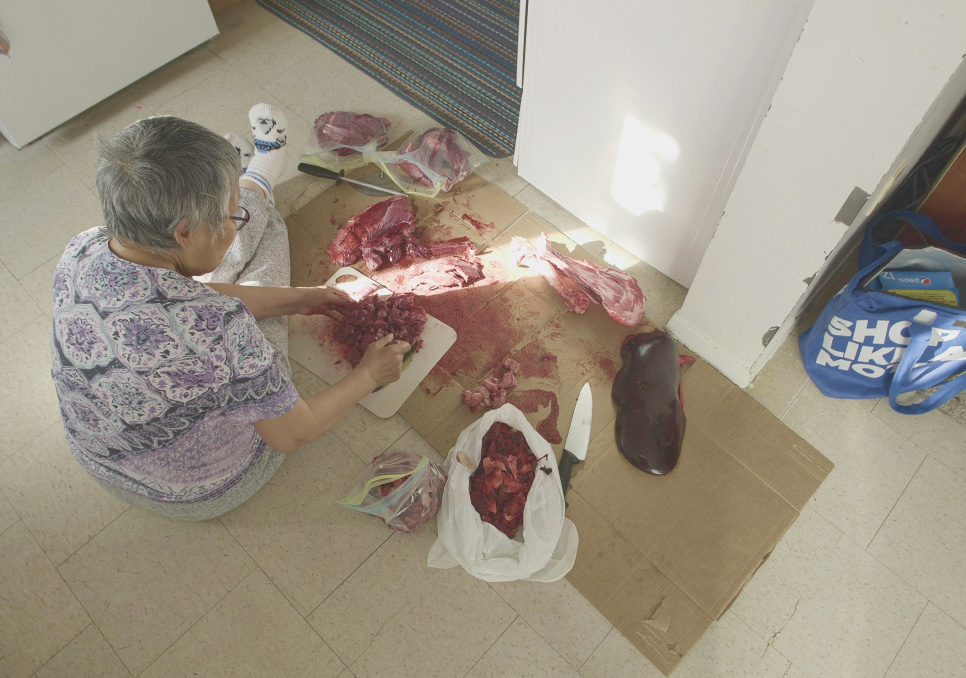
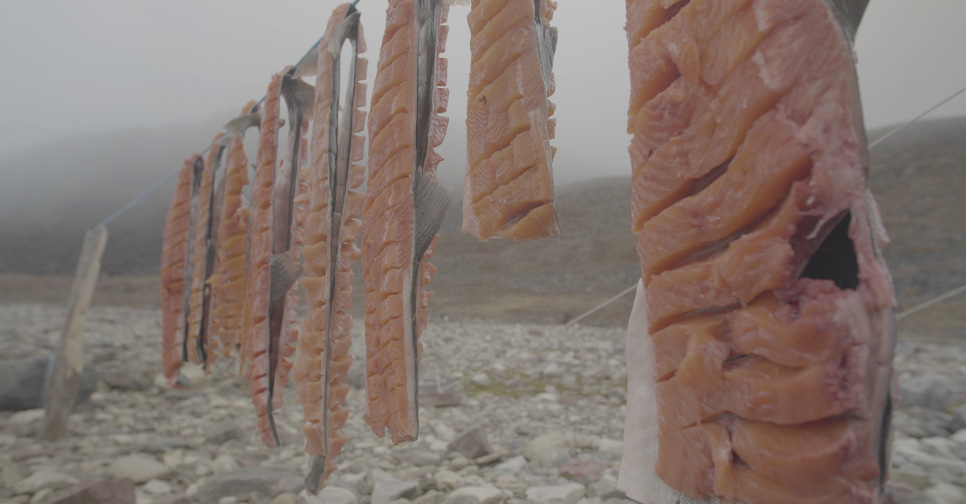
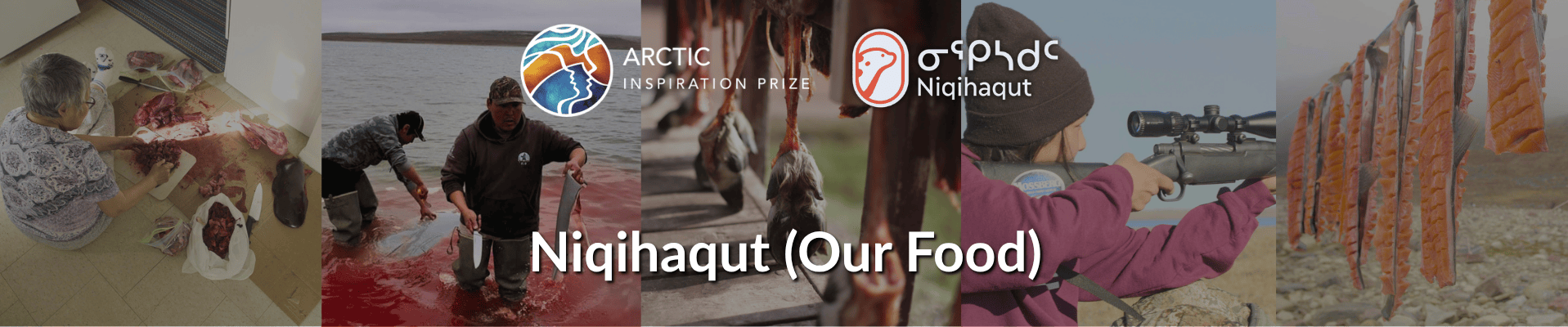
Niqihaqut — meaning “Our Food” in Inuktitut — reflects a collective commitment to caring for one another through Inuit food systems rooted in respect, sustainability, and sharing.
In 2020, Niqihaqut received $451,000 from the Arctic Inspiration Prize to advance a new model of social economy and food sovereignty. Guided by Elders, hunters, women, and youth, and led by the Taloyoak Umaruliririgut Association, the project is grounded in Inuit Qaujimajatuqangit and generations of knowledge.
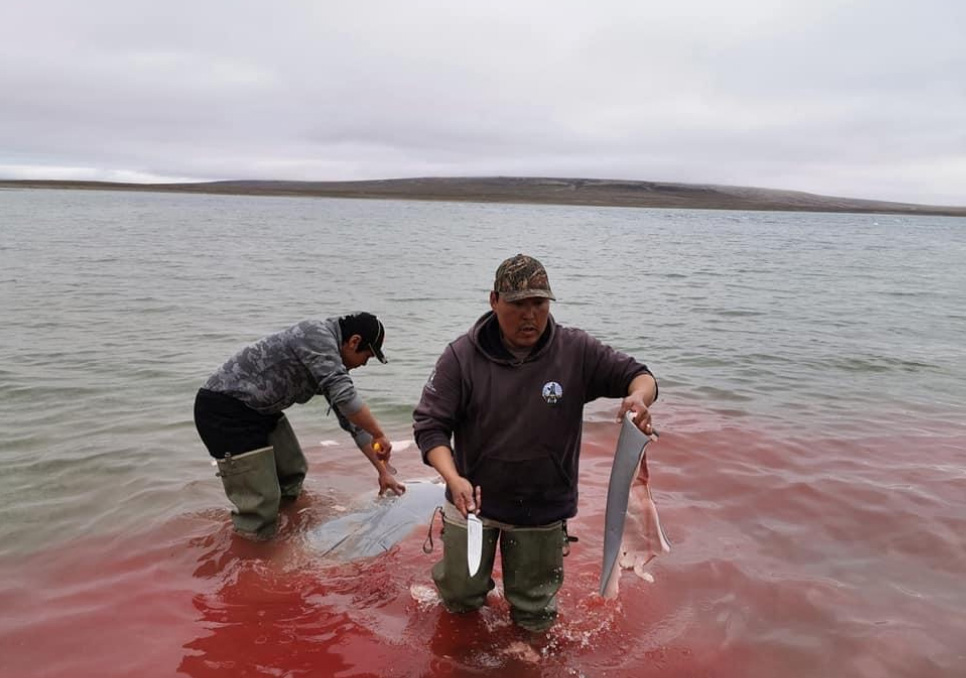
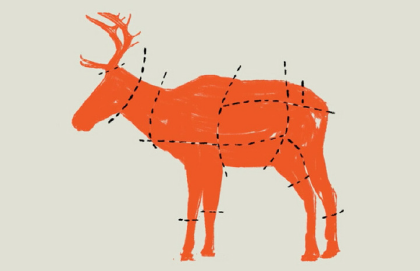
At the heart of Niqihaqut is the development of a community‑owned cut‑and‑wrap facility, designed to process locally harvested country food close to home. The facility supports Inuit harvesting practices, creates local employment, and ensures food is prepared in ways that honour culture, language, and traditional protocols.
Elders and hunters are also leading the development of a sustainable harvest plan, guided by Inuit knowledge of seasonal cycles and balance. This approach ensures wildlife populations are respected and protected, while supporting the teaching of young hunters for generations to come.
Sharing Food, Strengthening Community
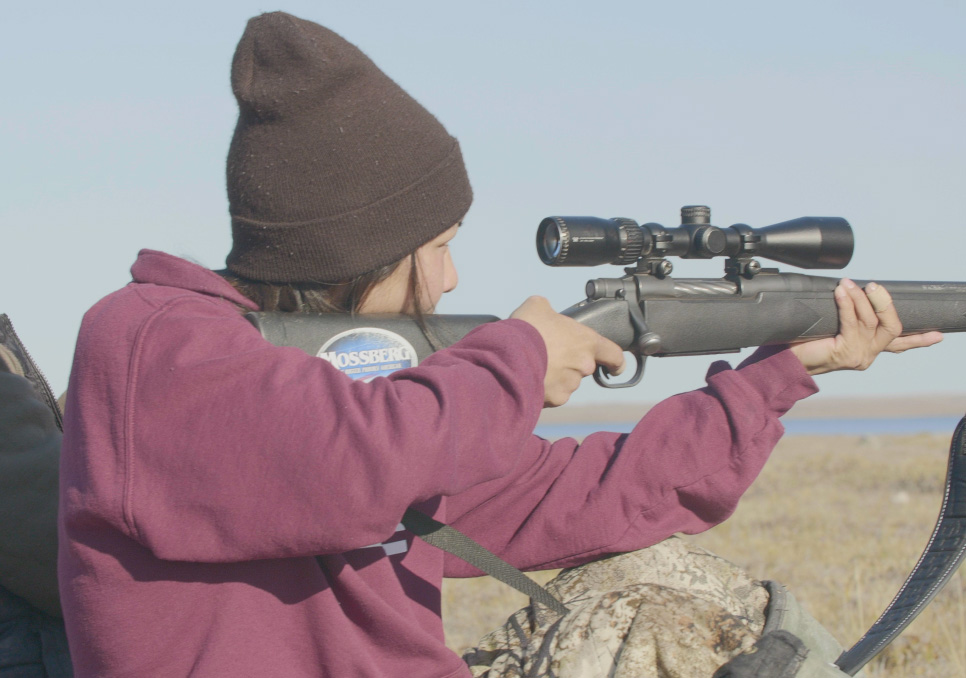
Through Niqihaqut, youth spend time on the land learning harvesting, food preparation, and distribution alongside experienced hunters and Elders. These experiences build confidence and pride, strengthen Inuit identity, and support the transmission of language and cultural knowledge. Women are also revitalizing traditional skills such as processing skins and hides, reinforcing intergenerational learning and self‑reliance.
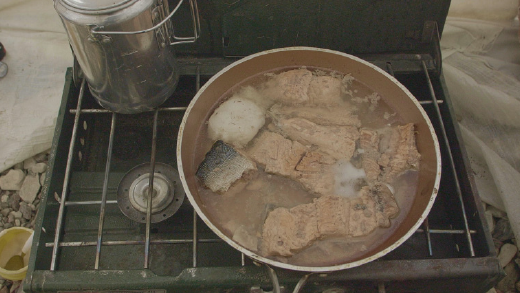
As access to country food increases, Niqihaqut supports healthier diets and reinforces the understanding that health, culture, land, and community are inseparable.
Looking Ahead
Niqihaqut continues to grow through community leadership and shared purpose. As capacity builds, the project aims to expand access to country food across Nunavut and to share its approach with other Inuit communities, where appropriate.